

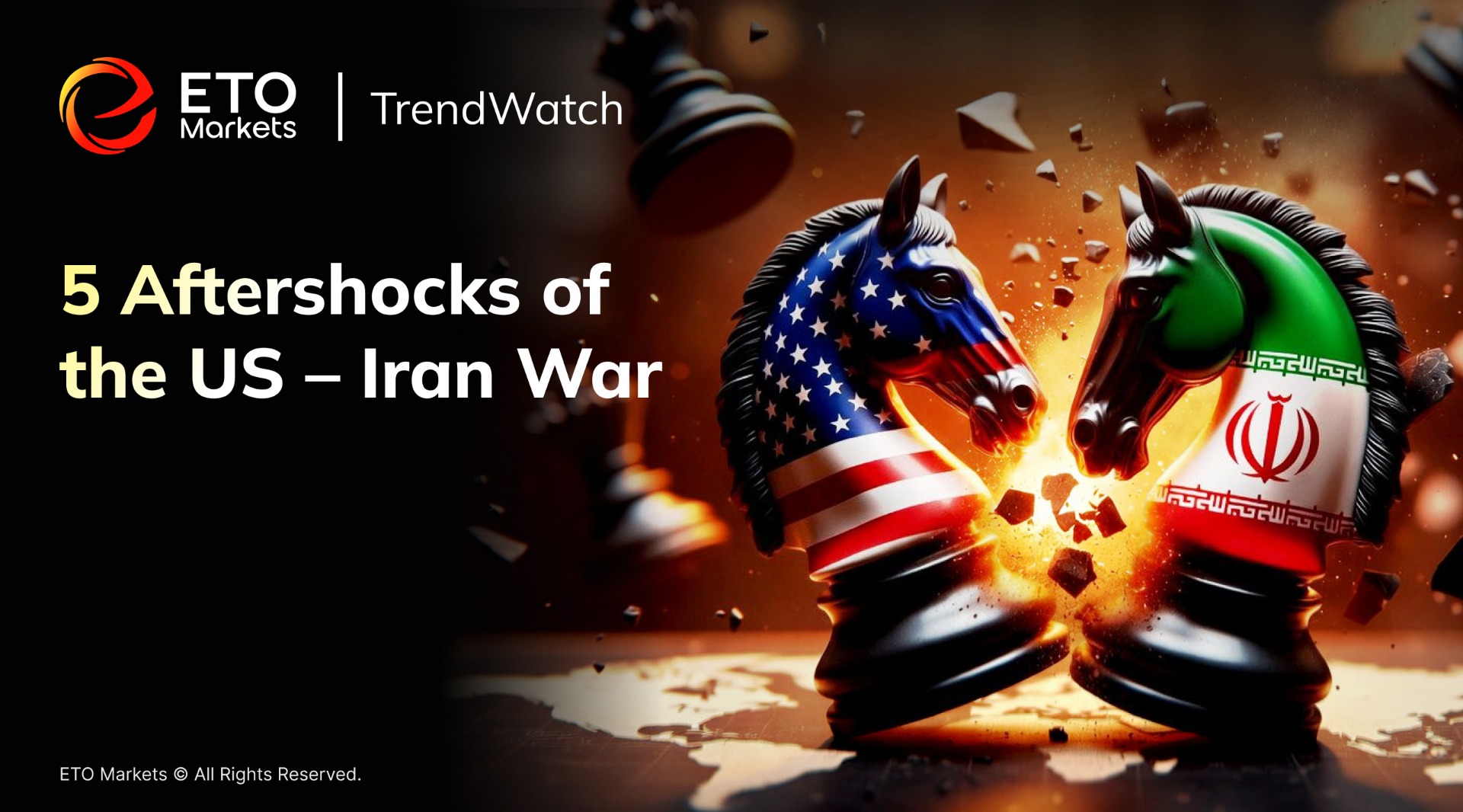
The fragile ceasefire between the United States and Iran has not eased the broader impact of the conflict. Its shockwaves across global markets and the international order are only beginning to surface.
IMF Managing Director Kristalina Georgieva has warned that the war will leave long lasting scars on the global economy. Beyond slowing growth, it is expected to push up energy and financing costs and intensify sovereign debt pressures worldwide.
ETO Markets believes the war is not reshaping winners and losers, but rewriting global rules and pricing mechanisms. Its spillover effects are emerging in five structural aftershocks.
US Unilateral Dominance in the Middle East Has Weakened
Militarily, the United States and Israel retained tactical advantages, but the conflict failed to achieve Washington’s strategic goal of rapidly reshaping the regional order. Key objectives were not secured, and Iran did not accept US demands such as halting its nuclear program or fully reopening the Strait of Hormuz.
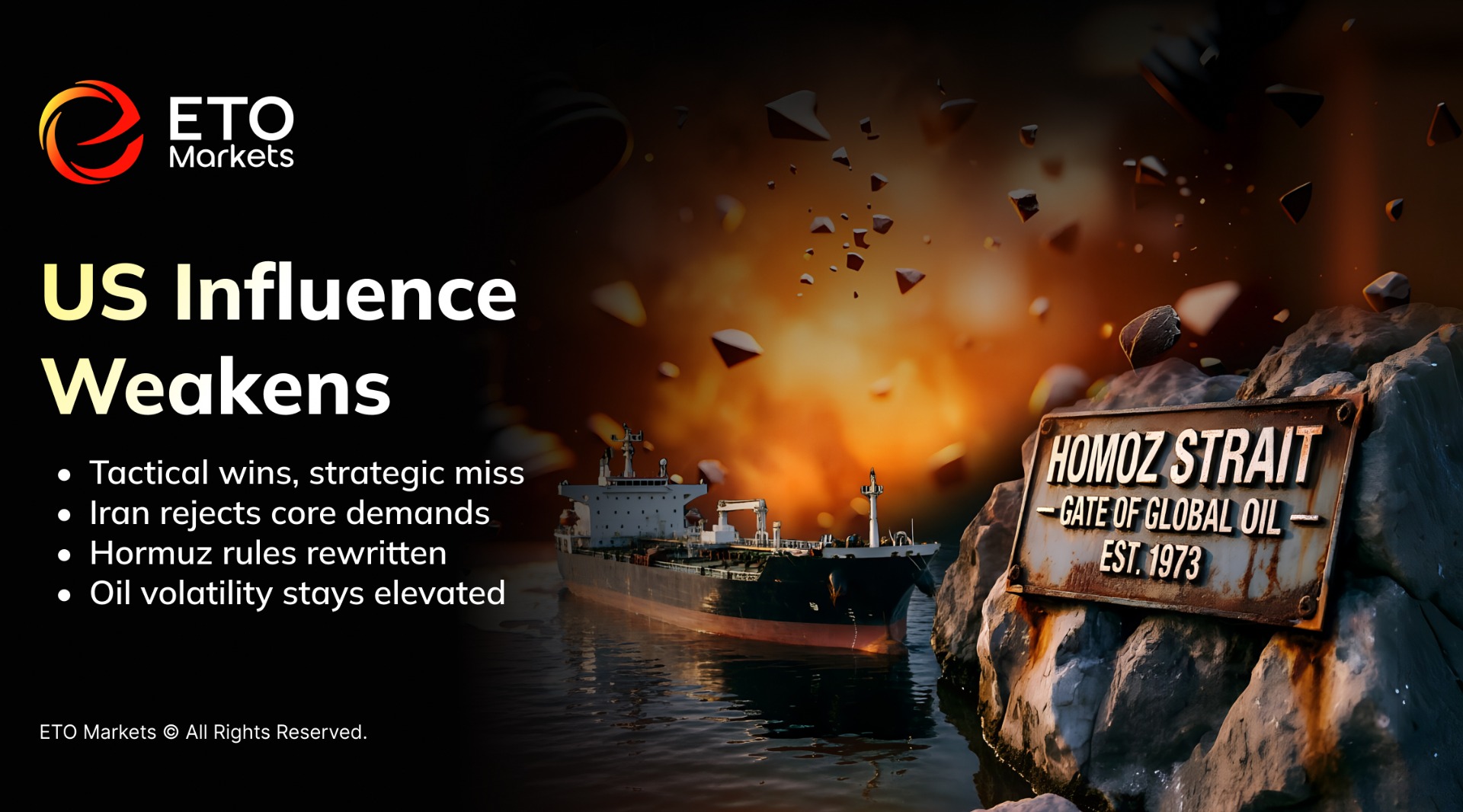
Instead of being pushed back into a passive position, Iran gained leverage under a new framework of limited passage, selective clearance and sovereign tolling. On the first day of the ceasefire, more than 200 oil tankers were still waiting for approval to transit. The head of Abu Dhabi National Oil Company publicly stated that the Strait was “not fully open,” suggesting that even if prices retreat from extreme highs, the low volatility era before the conflict is unlikely to return.
NATO’s Internal Fractures Have Become More Visible
Unlike past crises, the war did not produce a unified NATO response aligned behind Washington. European allies underperformed US expectations on base access, maritime escort missions and operational coordination. This quickly turned US pressure on Iran into open pressure on NATO’s cohesion and reliability.
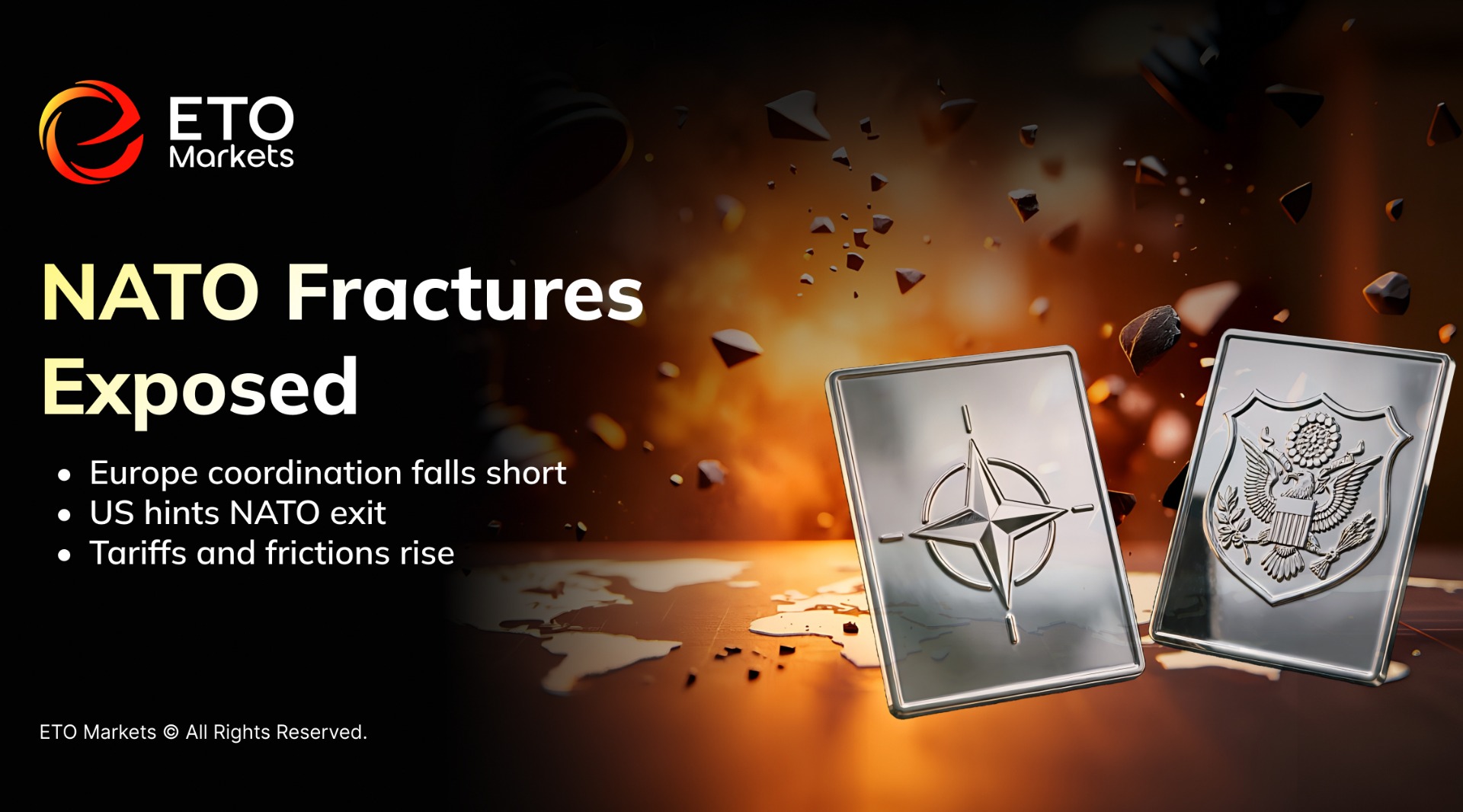
US media reported that President Trump was deeply dissatisfied with Europe’s reluctance and repeatedly hinted at reassessing America’s role in NATO, including the possibility of troop reductions or reconsidering membership commitments. German Chancellor Friedrich Merz expressed concern about potential alliance divisions, and NATO Secretary General Mark Rutte traveled to Washington to stabilize expectations, though underlying mistrust remained unresolved.
These cracks were not created by the Iran war alone. They reflect accumulated tensions from trade disputes, diplomatic frictions and rising isolationist sentiment in the United States. The result is a widening strategic gap: Washington is less willing to underwrite European security unconditionally, while Europe is less willing to bear the costs of US Middle East strategy.
The Energy Crisis Is Accelerating the Shift Toward Renewables
In Europe, nine countries have pledged up to 300 GW of offshore wind capacity by 2050. France has launched tenders for 12 GW of new renewable projects, including 10 GW of offshore wind. The United Kingdom removed import tariffs on 33 categories of offshore wind components starting April 1 to reduce supply chain costs.
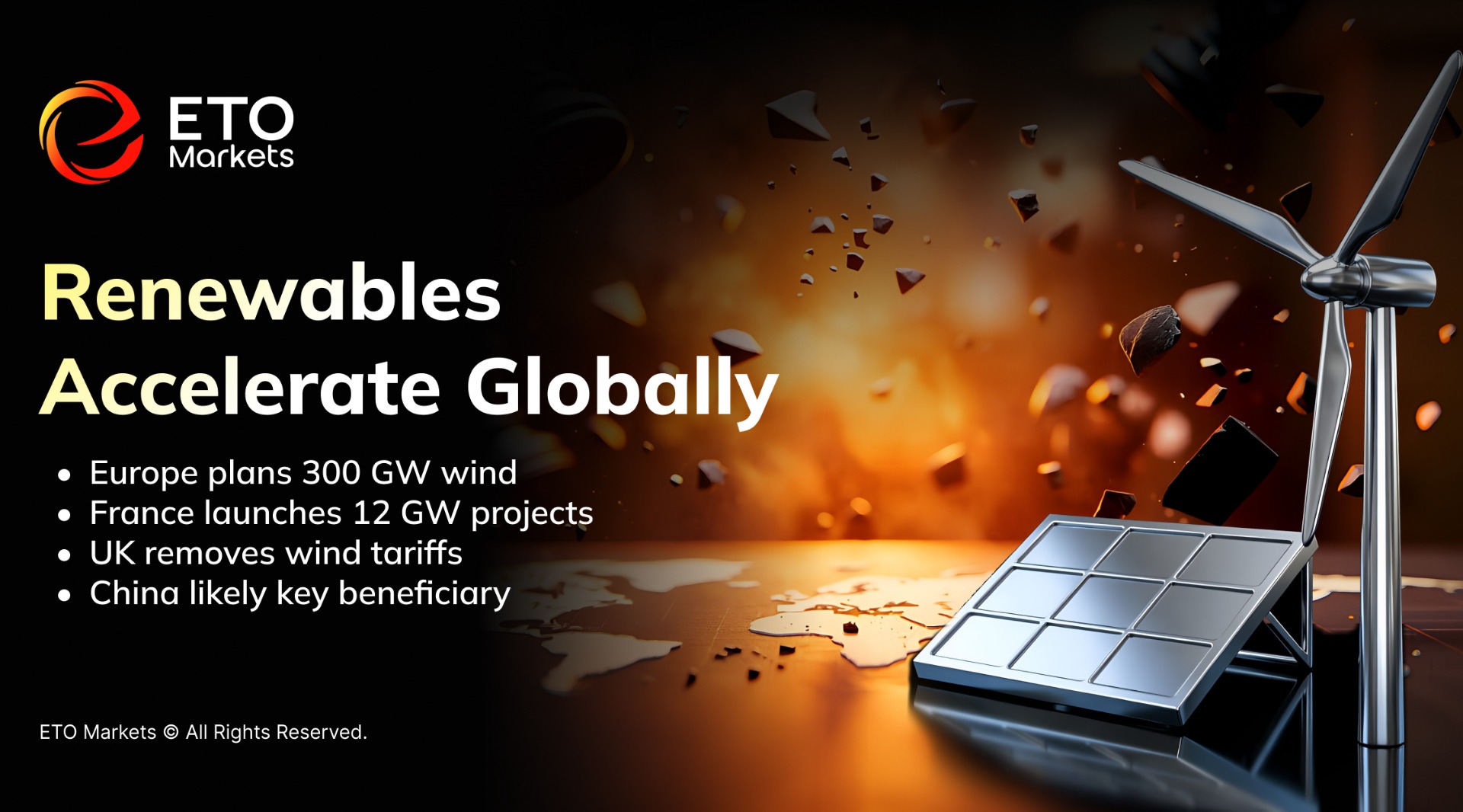
Japan’s Renewable Energy Institute has warned that the Hormuz crisis exposed Japan’s extreme dependence on imported fossil fuels, urging faster development of domestic renewables to reduce reliance on Middle Eastern shipping routes. In short, energy security is no longer about buying more oil. Major economies are reassessing the strategic value of wind power, storage, grid upgrades and domestic alternatives.
China is likely to be a key beneficiary. In the first two months of 2026, China’s exports grew 21.8 percent year on year, with new energy products such as EVs, lithium batteries and solar equipment leading the gains. If Europe, Japan and other energy importers accelerate energy autonomy and grid modernization, global demand for Chinese renewable equipment and storage systems could expand significantly.
The Dollar System Faces Growing Marginal Strain
While the stated US objective was to curb Iran’s nuclear capabilities, the deeper logic centered on regaining control over Middle Eastern energy routes and pricing power, which underpin the petrodollar system.
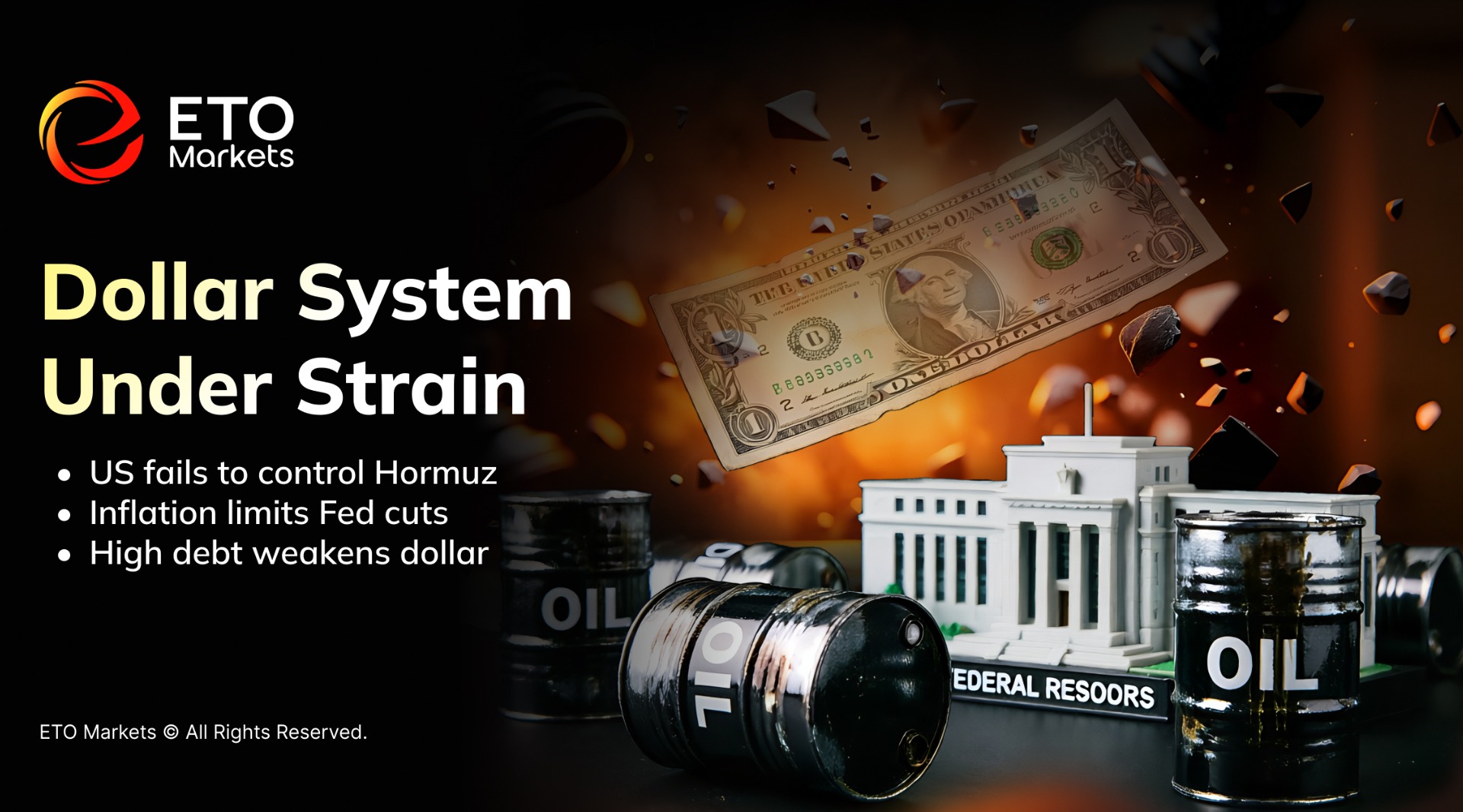
Yet the United States did not reestablish dominance over the Strait of Hormuz. Iran is exploring quasi-institutionalized arrangements, including charging transit fees and accepting cryptocurrency or renminbi for certain passages. This does not imply an imminent collapse of dollar dominance. The dollar still holds overwhelming weight in global trade, reserves and energy finance. But once the world’s most critical energy chokepoint begins to see real non-dollar settlement, even on a limited scale, the exclusivity of the petrodollar weakens.
Additional pressure comes from within the United States. Persistently high oil prices could reignite inflation through energy and transport costs, limiting the Federal Reserve’s ability to cut rates. A prolonged high-rate environment would raise future US debt servicing costs. Combined with large deficits and elevated debt levels, the “high oil, high rates, high debt” mix erodes the marginal stability of dollar credit.
De dollarization may not arrive through a sudden break, but the war has exposed the system’s most sensitive link: energy routes and settlement monopoly.
Gold and Oil Are Being Repriced
In past geopolitical crises, gold typically rallied as the primary safe haven. This conflict is different because the target region is the world’s most critical oil producing and shipping hub. Oil surged first, while gold experienced heightened volatility as ceasefire headlines and shifting rate expectations pulled markets in opposite directions.
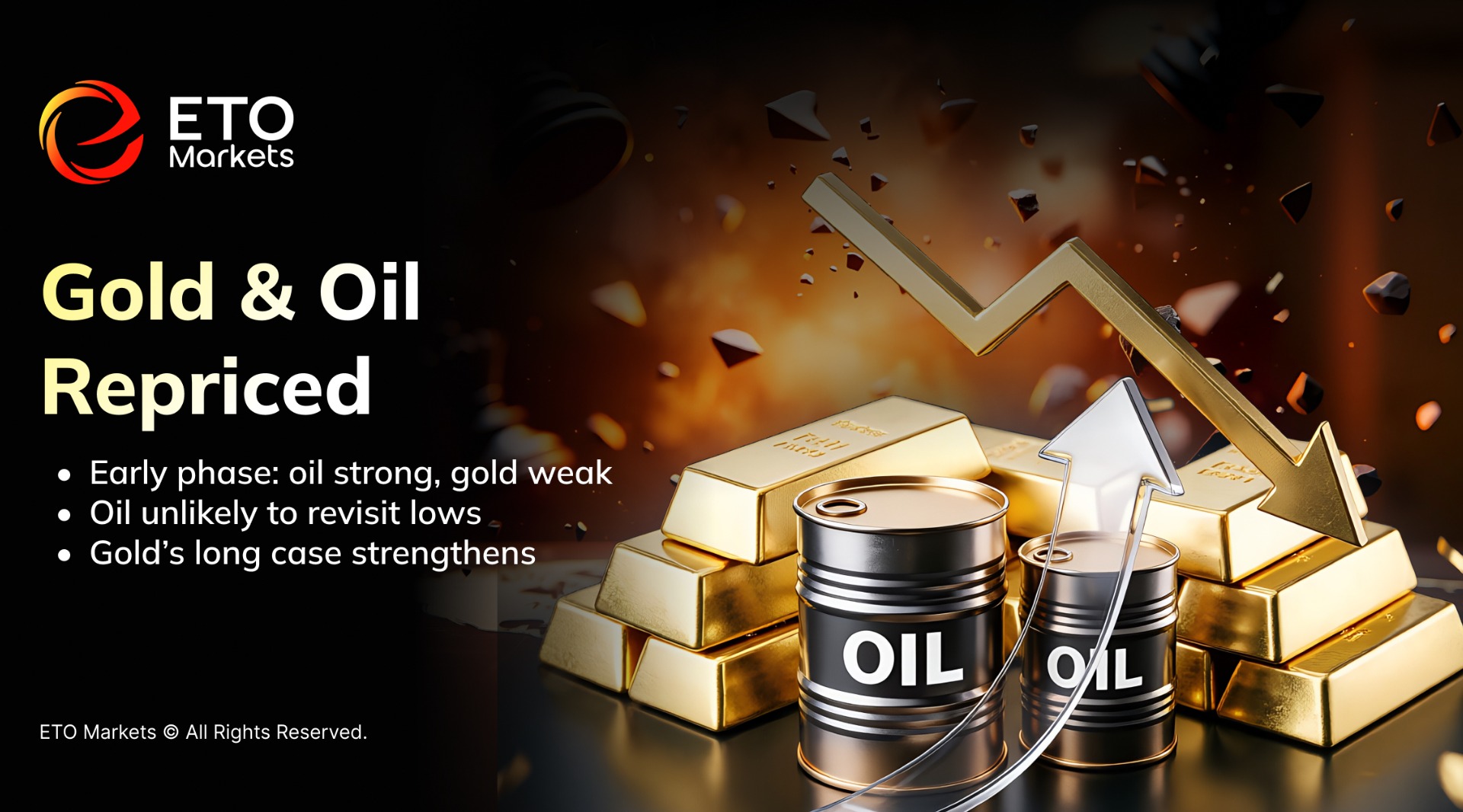
In the early phase, markets traded the inflationary impulse of higher oil prices and the prospect of prolonged restrictive monetary policy, which temporarily capped gold’s upside. Over the longer term, however, oil and gold are unlikely to diverge permanently. Oil prices may retreat from extreme highs as war premiums fade, but structural factors such as altered Hormuz transit rules, elevated Gulf risk premiums and reassessed strategic inventories suggest prices may not return to pre conflict lows.
Gold, meanwhile, may strengthen over time. Despite short term pressure from higher rate expectations and dollar resilience, rising de dollarization discussions, slowing global growth and mounting fiscal constraints reinforce gold’s long term allocation logic.
A Conflict Ends, but the Global Order Is Being Rewritten
The core impact of the US Iran war lies not in battlefield outcomes but in the restructuring of global pricing frameworks. Energy has entered a high volatility regime, alliance stability is being reassessed, the dollar system faces marginal loosening and asset pricing is diverging structurally. ETO Markets will continue to monitor cross asset transmission channels across energy, currencies and risk assets, providing investors with forward looking frameworks and risk identification tools in an era of rising uncertainty.
Disclaimer
The information contained herein is for general reference only and does not constitute investment advice, a solicitation, or an offer to buy or sell any financial products. ETO Markets does not guarantee the accuracy, completeness, or timeliness of the information and shall not be liable for any losses incurred from reliance on such content.