

Key Takeaways
- Gold has declined from its recent high near $4,697 despite rising geopolitical tensions and higher oil prices.
- The market reaction highlights a shift in focus from safe-haven demand towards interest-rate expectations.
- Treasury yields and US dollar strength have become stronger short-term drivers for gold prices.
- The upcoming August Nonfarm Payrolls report could influence expectations around future Fed policy.
- Traders are watching whether a softer labour market can create room for a gold recovery.

Gold’s recent weakness has challenged the traditional view that geopolitical uncertainty automatically supports precious metal demand.
Instead, markets have focused more heavily on the factors that determine gold’s opportunity cost, particularly Treasury yields, the US dollar and expectations for Federal Reserve policy.
Why Traders Are Watching Gold
The key question for gold traders is whether the recent pressure is temporary or reflects a broader change in market expectations.
Higher Treasury yields have reduced the appeal of holding a non-yielding asset, while a stronger US dollar has added further pressure on XAU/USD.
The upcoming August Nonfarm Payrolls report is now a major test for the market. A weaker labour market could reduce expectations for tighter Fed policy and ease pressure on gold, while stronger employment data may reinforce the current rate outlook.
Key factors influencing gold include:
- Fed policy expectations: The timing and direction of future rate decisions remain central to gold’s outlook.
- Treasury yields: Lower yields could reduce pressure on gold by lowering the opportunity cost of holding the metal.
- US dollar movement: Dollar strength or weakness can directly influence demand for XAU/USD.
- Inflation concerns: Higher energy prices may keep inflation risks elevated and limit expectations for easier policy.
Gold Prediction: Will Rate Expectations Decide the Next Move?
Gold’s recovery potential will likely depend on whether upcoming economic data changes the balance between monetary policy expectations and inflation risks.
A weaker-than-expected jobs report could push yields and the dollar lower, creating a more supportive environment for gold.
However, if labour data remains resilient and inflation concerns continue, the Federal Reserve may maintain a cautious stance, limiting gold’s upside.
The key question is whether markets begin pricing a softer rate outlook or continue prioritising higher-for-longer policy expectations.
Explore Gold Trading with VT Markets
Gold prices can react quickly to major market events, including US employment data, Federal Reserve policy expectations and changes in Treasury yields.
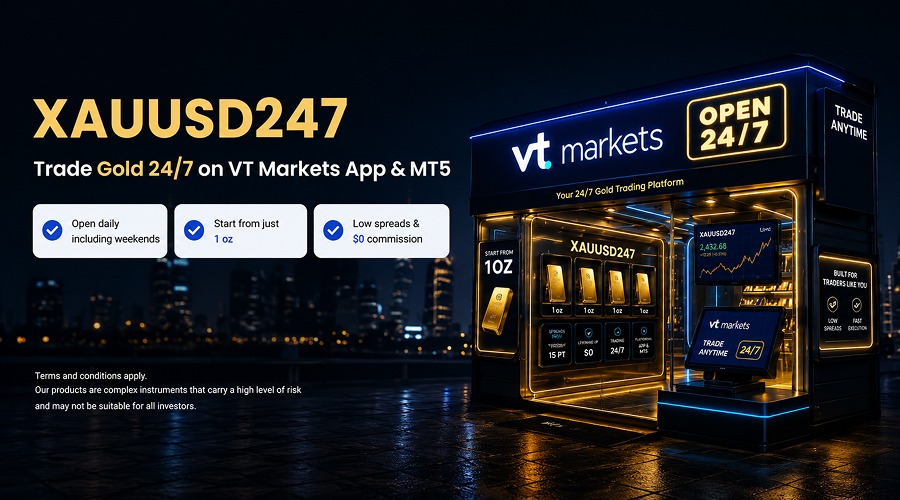
VT Markets offers XAUUSD247, a Gold trading product designed to provide 24/7 access to Gold markets, including weekends.
XAUUSD247 is available through MetaTrader 5 and the VT Markets app.
Bottom Line
The next major move will likely depend on whether Treasury yields, the US dollar and Fed expectations shift after upcoming economic data.
For a deeper analysis of why gold has moved differently from traditional safe-haven behaviour and what factors are driving the market, read this article.